C01
Individualized data-driven light intervention in intensive care unit patients
Circadian rhythms are often disrupted in critically ill patients, worsening outcomes. Non-invasive detection and normalization in the ICU are not yet implemented. This project integrates high-resolution patient data with dynamic light therapy to restore circadian rhythms.
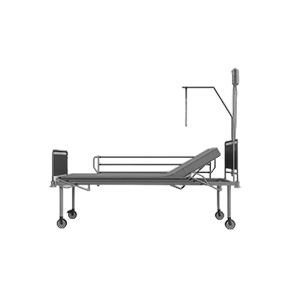
Circadian disruption in ICU patients is common, but reliable detection and personalized interventions are not yet available.
Integrating routine ICU data, molecular markers, and light therapy enables identification and correction of circadian disturbances to improve outcomes.
We will detect circadian rhythms in ICU patients, test personalized light interventions, and evaluate effects on delirium, muscle weakness, and post-intensive care syndrome.
The team for
C01















The publications of
C01
Digital biomarkers in non-communicable diseases
June 15, 2026
•
BIOMARKERS
Digital biomarkers—objective, quantifiable physiological and behavioral measures collected through digital tools—enable continuous health assessment and hold promise for precision medicine. With non-communicable diseases (NCDs) being the leading cause of morbidity and mortality worldwide, digital biomarkers can provide early detection, continuous monitoring, and individualized care. This review examines advances in digital biomarkers across NCD domains, including endocrinology, cardiology, respiratory medicine, neurology, and mental health, with a focus on wearable technologies that continuously capture real-world behavior and physiology. Continuous glucose monitoring in diabetes exemplifies successful clinical translation, while digital biomarkers in cardiology, respiratory medicine, and neurology are at varying stages of validation and adoption. Most digital biomarkers across internal medicine, neurology, and mental health remain in early validation stages. Critical barriers to implementation include limited validation in diverse populations, lack of interoperability, insufficient integration with electronic health records, challenges in multimodal data synthesis, and underdeveloped regulatory pathways. Equity concerns persist as infrastructure, affordability, and capacity-building needs vary globally.Bridging the gap between consumer self-tracking and clinically validated, guideline-compatible digital biomarkers requires rigorous multicenter validation, standardized interfaces, open data models, secure and ethical data infrastructures, and equitable design. Coordinated efforts addressing these challenges are essential to enable digital biomarkers to improve prevention, diagnosis, and management of NCDs.
Challenges and Recommendations for Integrating Circadian Medicine in Critical Care: A Roadmap
December 20, 2025
•
Chest
Background: Circadian rhythms are often severely disrupted in critically ill patients in the ICU. The ICU environment, characterized by irregular light-dark signals, continuous nutrition, and round-the-clock interventions, contributes to this disruption by providing weak and conflicting timing cues to the circadian system. Extensive scientific research has demonstrated that circadian rhythms play a vital role in regulating physiology and maintaining overall health. Therefore, integrating circadian principles into critical care may represent a promising strategy to improve patient outcomes in the ICU.
Research question: What are the key challenges of integrating circadian medicine into critical care, what steps can address these challenges, and which recommendations can guide future study designs and clinical implementation?
Study design and methods: We convened a 5-day workshop in September 2024 that brought together 24 international experts with backgrounds in circadian biology, critical care, and implementation science. Each day was organized around a predefined theme, with morning presentations and plenary discussions, and afternoons dedicated to drafting a list of Propositions and Recommendations in breakout groups. Propositions and Recommendations were finalized via a post-workshop survey requiring ≥ 75% agreement.
Results: This roadmap summarizes the discussions and outcomes of the workshop, structured around a set of Propositions and Recommendations, and provides a framework for building a robust evidence base for integrating circadian principles into ICU practice. Key recommendations include the development of circadian outcome measures tailored for use in the ICU and using standardized frameworks for evaluating the effect of circadian interventions in clinical trials.
Interpretation: Altogether, this roadmap provides an interdisciplinary framework resulting from a collaborative effort of ICU clinicians, circadian biologists, and implementation specialists, for building a robust evidence base for integrating circadian principles into ICU research and practice.
Keywords: ICU; circadian rhythms; critical care; critical illness; meeting report.
Distinct diurnal temperature rhythm patterns in critical illness myopathy: secondary analysis of two prospective trials
October 27, 2025
•
Springer Nature
Background: Critical illness myopathy (CIM) increases mortality and causes long-term disabilities. CIM is characterized by reduced muscle excitability, muscle atrophy, weakness, and impaired glucose metabolism. Functional circadian rhythms are important for skeletal muscle homeostasis. Circadian rhythms are often disrupted during critical illness in the Intensive Care Unit (ICU). This analysis investigates whether diurnal temperature rhythms differ in critically ill CIM compared to no-CIM patients.
Methods: This is a secondary analysis of two prospective trials including critically ill patients with CIM (n = 32) or no-CIM (n = 30) based on electrophysiological tests. Diurnal body temperature rhythms were compared between CIM and no-CIM groups in reference to n = 16 participants included in a bed rest study. Cosinor analysis was performed to determine the rhythm parameters and classify into rhythm classes. Aggregated and longitudinal data were compared between groups using non-parametric tests. Rhythm parameters were correlated with muscle atrophy, weakness and insulin sensitivity.
Results: CIM and no-CIM patients had severe multiorgan failure (median SOFA score 12 in both groups, p = 0.39). The temperature rhythm nadir timepoint was shifted in CIM patients (10:43 [09:21, 12:22]) and no-CIM (11:12 [09:43, 13:30]) compared to the healthy bed rest group (5:03 [3:22, 6:36]) p < 0.001. CIM patients showed lower temperature rhythm mesors than no-CIM patients (p = 0.041). The temperature rhythm amplitude was lower in both CIM and no-CIM patients compared to the healthy bed rest group (CIM: 0.3 °C [0.2, 0.4]; no-CIM: 0.2 °C [0.2, 0.3]; healthy bed rest: 0.5 °C [0.2, 0.6]; p < 0.01). Compared to no-CIM patients, CIM patients had higher temperature rhythm amplitudes (p = 0.021) and showed a less pronounced reduction in temperature rhythm amplitudes during ICU stay (p = 0.017). A higher temperature rhythm amplitude correlated negatively with M. vastus lateralis myocyte cross-sectional area.
Conclusions: Heterogeneous phase shifts of diurnal temperature rhythms in CIM and no-CIM groups compared to healthy bed rest volunteers may indicate ICU-related circadian disruption. Suppression of temperature rhythm amplitude during ICU stay could represent an adaptive response to this disruption. Blunted amplitude suppression observed in CIM compared to no-CIM patients might reflect reduced adaptation, potentially contributing to muscle catabolism. This hypothesis-generating analysis underlines the need for mechanistic studies exploring circadian regulation in skeletal muscle during critical illness.
Keywords: Body temperature; Circadian rhythm disruption; Circadian rhythms; Critical illness; Critical illness myopathy; Diurnal rhythms; Muscle weakness; Skeletal muscle atrophy; Temperature rhythm.
Modification in ICU Design May Affect Delirium and Circadian Melatonin: A Proof of Concept Pilot Study
April 1, 2024
•
Critical Care Medicine
Objectives: Nonpharmacologic delirium management is recommended by current guidelines, but studies on the impact of ICU design are still limited. The study's primary purpose was to determine if a multicomponent change in room design prevents ICU delirium. Second, the influence of lighting conditions on serum melatonin was assessed.
Design: Prospective observational cohort pilot study.
Setting: The new design concept was established in two two-bed ICU rooms of a university hospital. Besides modifications aimed at stress relief, it includes a new dynamic lighting system.
Patients: Seventy-four adult critically ill patients on mechanical ventilation with an expected ICU length of stay of at least 48 hours, treated in modified or standard rooms.
Interventions: None.
Measurements and main results: The clinical examination included a prospective assessment for depth of sedation, delirium, and pain every 8 hours using validated scores. Blood samples for serum melatonin profiles were collected every 4 hours for a maximum of three 24-hour periods. Seventy-four patients were included in the analysis. Seventy-six percent ( n = 28) of patients in the standard rooms developed delirium compared with 46% of patients ( n = 17) in the modified rooms ( p = 0.017). Patients in standard rooms (vs. modified rooms) had a 2.3-fold higher delirium severity (odds ratio = 2.292; 95% CI, 1.582-3.321; p < 0.0001). Light intensity, calculated using the measure of circadian effective irradiance, significantly influenced the course of serum melatonin ( p < 0.0001). Significant interactions ( p < 0.001) revealed that differences in serum melatonin between patients in standard and modified rooms were not the same over time but varied in specific periods of time.
Conclusions: Modifications in ICU room design may influence the incidence and severity of delirium. Dedicated light therapy could potentially influence delirium outcomes by modulating circadian melatonin levels.
Circadian rhythm disruption in critically ill patients
March 14, 2023
•
Acta Physiologica
Patients admitted to the intensive care unit (ICU) are in need of continuous organ replacement strategies and specialized care, for example because of neurological dysfunction, cardio-pulmonary instability, liver or kidney failure, trauma, hemorrhagic or septic shock or even preterm birth. The 24-h nursing and care interventions provided to critically ill patients significantly limit resting and/or recovery phases. Consecutively, the patient's endogenous circadian rhythms are misaligned and disrupted, which in turn may interfere with their critical condition. A more thorough understanding of the complex interactions of circadian effectors and tissue-specific molecular clocks could therefore serve as potential means for enhancing personalized treatment in critically ill patients, conceivably restoring their circadian network and thus accelerating their physical and neurocognitive recovery. This review addresses the overarching issue of how circadian rhythms are affected and disturbed in critically ill newborns and adults in the ICU, and whether the conflicting external or environmental cues in the ICU environment further promote disruption and thus severity of illness. We direct special attention to the influence of cell-type specific molecular clocks on with severity of organ dysfunctions such as severity of brain dysfunction, pneumonia- or ventilator-associated lung inflammation, cardiovascular instability, liver and kidney failure, trauma, and septic shock. Finally, we address the potential of circadian rhythm stabilization to enhance and accelerate clinical recovery.


