Foundations of
circadian medicine
Exploring circadian rhythms for better healthcare
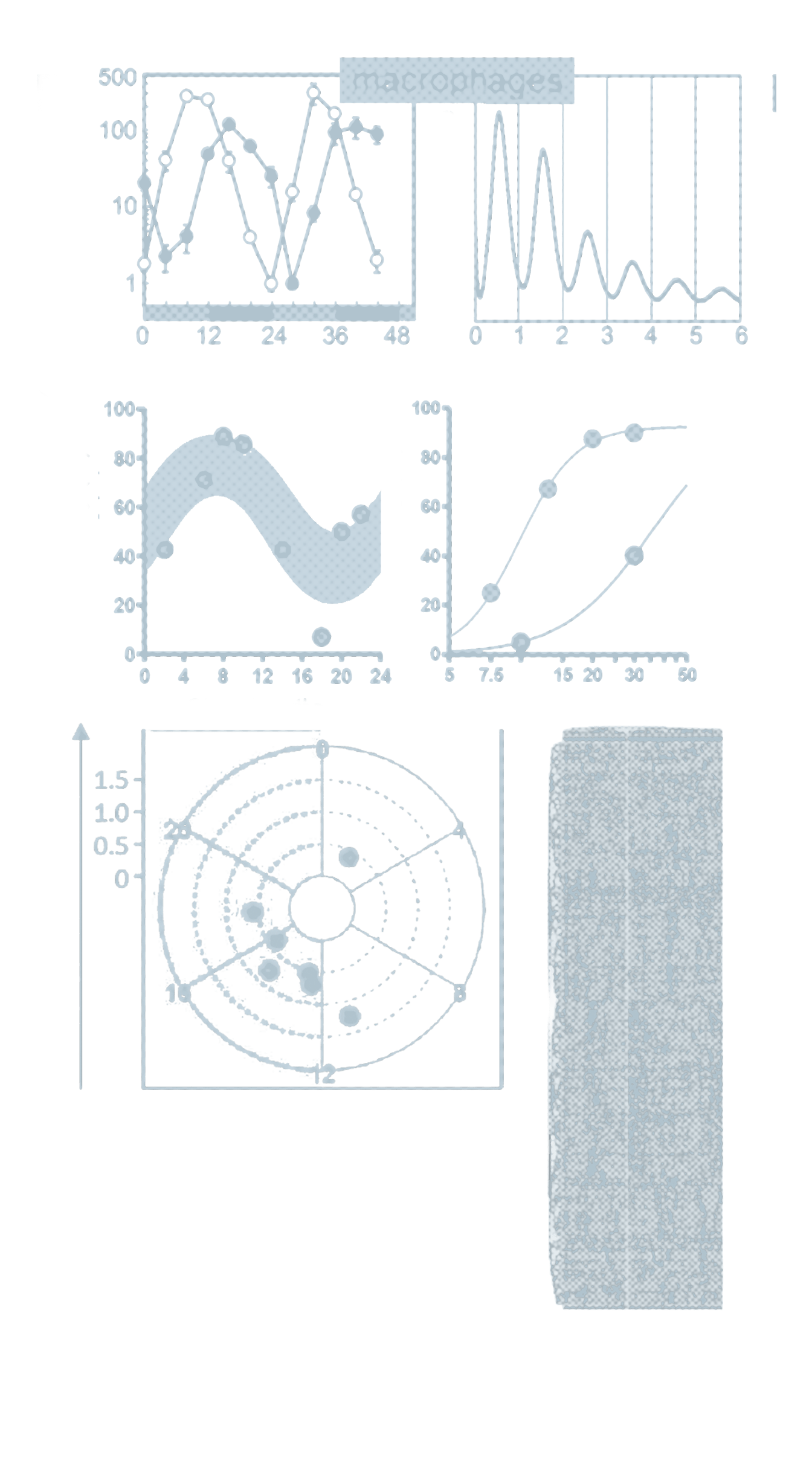
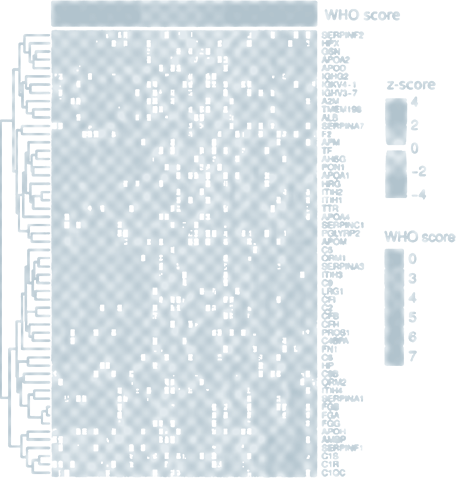
Our Collaborative Research Center in Circadian Medicine investigates how biological rhythms regulate human health and disease and how this knowledge can be translated into improved prevention, diagnosis, and therapy. By combining basic research on molecular circadian clocks with clinical and population-based studies, we seek to understand how disruptions of daily rhythms contribute to disorders such as metabolic, immunological, and neurodegenerative diseases, sleep disturbances, and mental health conditions.
Our interdisciplinary teams integrate chronobiology, systems medicine, data science, and clinical specialties to identify time-dependent mechanisms of disease and to develop precision approaches that align medical interventions with the body’s internal timing. Through close collaboration between laboratory and clinic, we aim to establish circadian medicine as a new paradigm for patient-centered, time-aware healthcare.
Our institutions
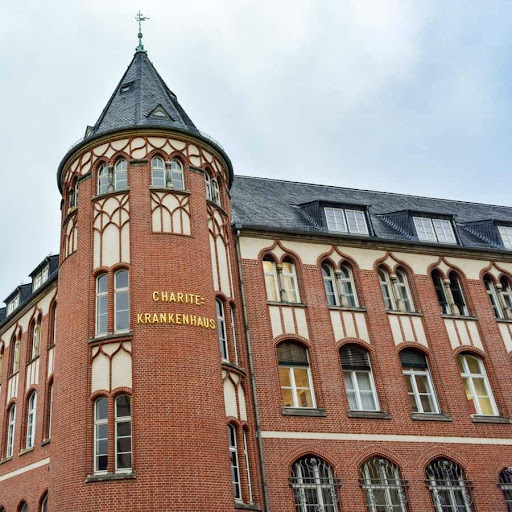
Charité Berlin
The Charité – Universitätsmedizin Berlin is one of Europe’s leading institutions in biomedical research and clinical care, with a strong focus on translating scientific discoveries into medical practice. Its close integration of basic research, clinical expertise, and large-scale patient care provides an ideal environment for advancing circadian medicine across disciplines.
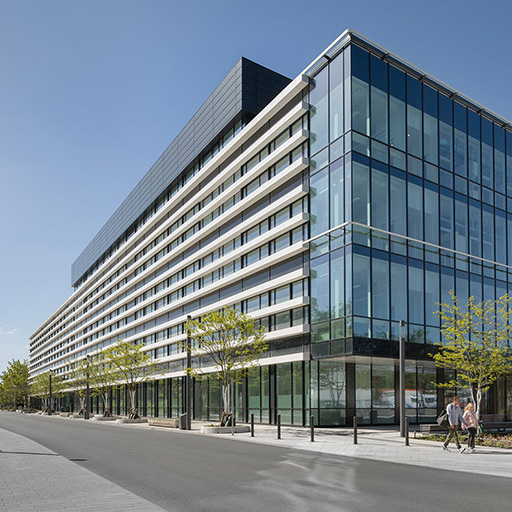
Universität Lübeck
The University of Lübeck is a life sciences–focused university with recognized strengths in medicine, biomedical research, and interdisciplinary collaboration. Its close links between basic science, clinical research, and healthcare practice make it an ideal partner for translational research in circadian medicine.
LMU München
A leading research environment in medicine and life sciences. Contributing complementary expertise to the consortium.
Learn more
TU München
An internationally recognized center for biomedical and technological research. Strengthening interdisciplinary approaches in circadian medicine.
Learn more
DIfE Potsdam
A research institute with strong expertise in metabolism and nutrition. Complementing the consortium’s focus on circadian health.
Learn more
Université de Genève
A leading international research university in biomedical and life sciences. Bringing global perspectives to the consortium.
Learn more
Governance
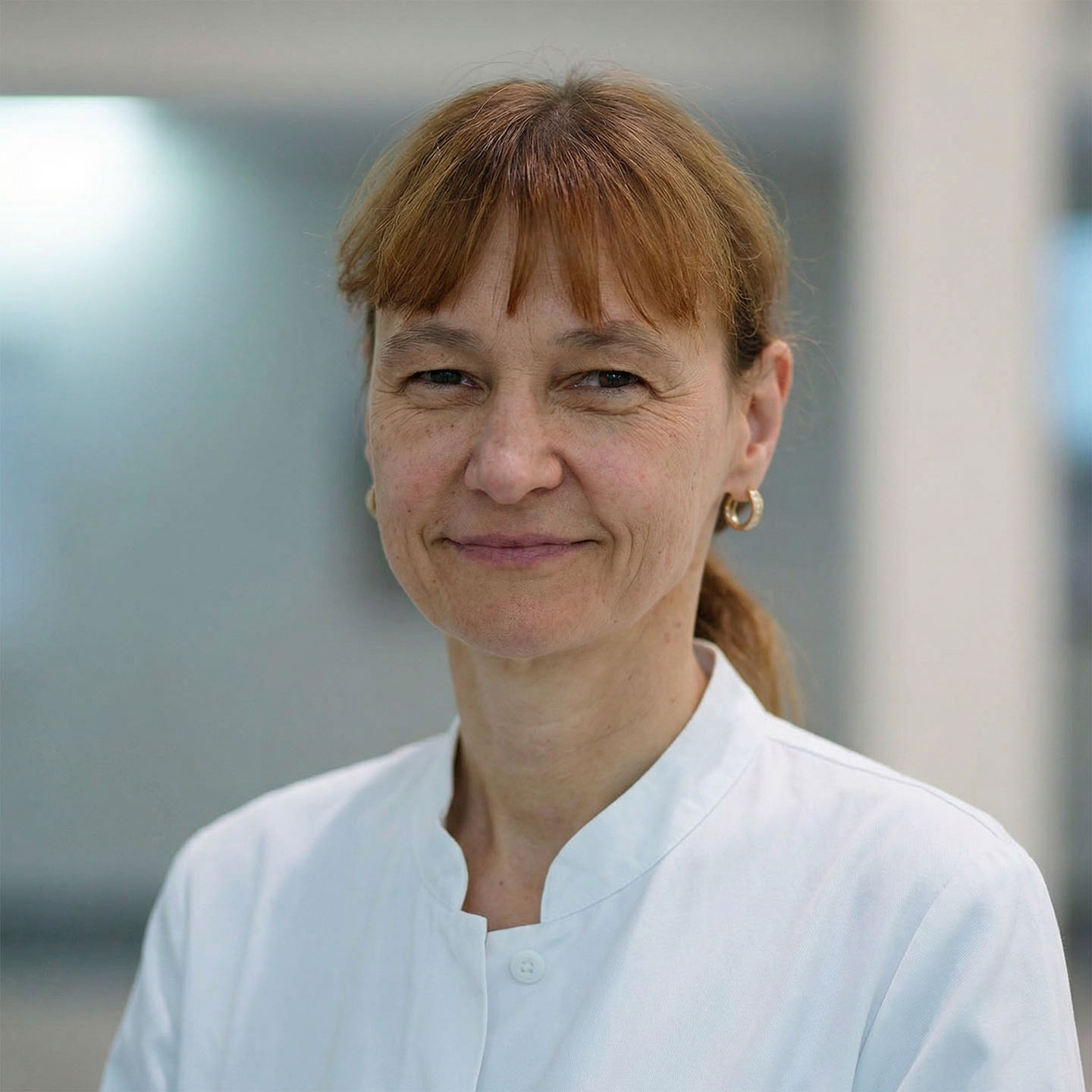
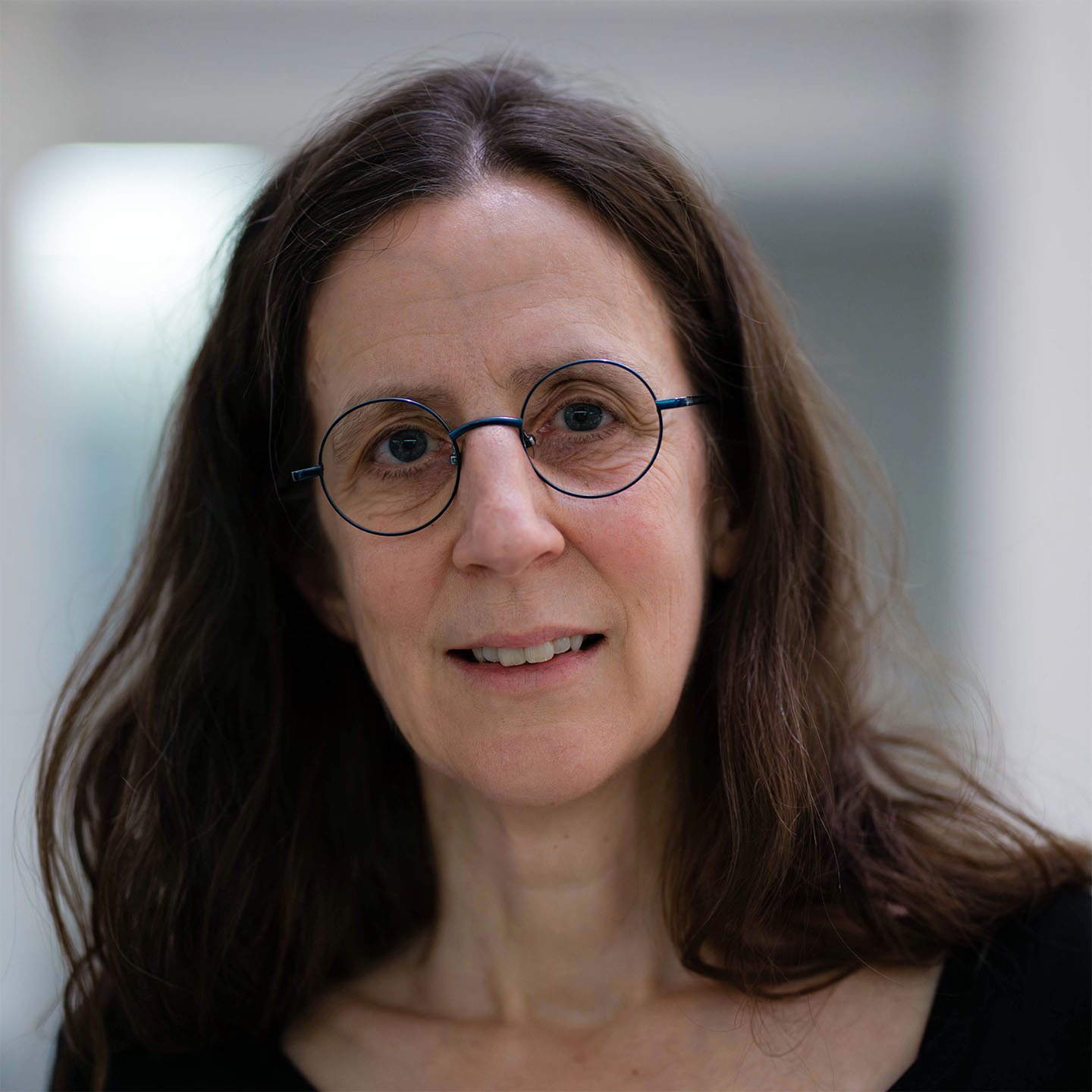
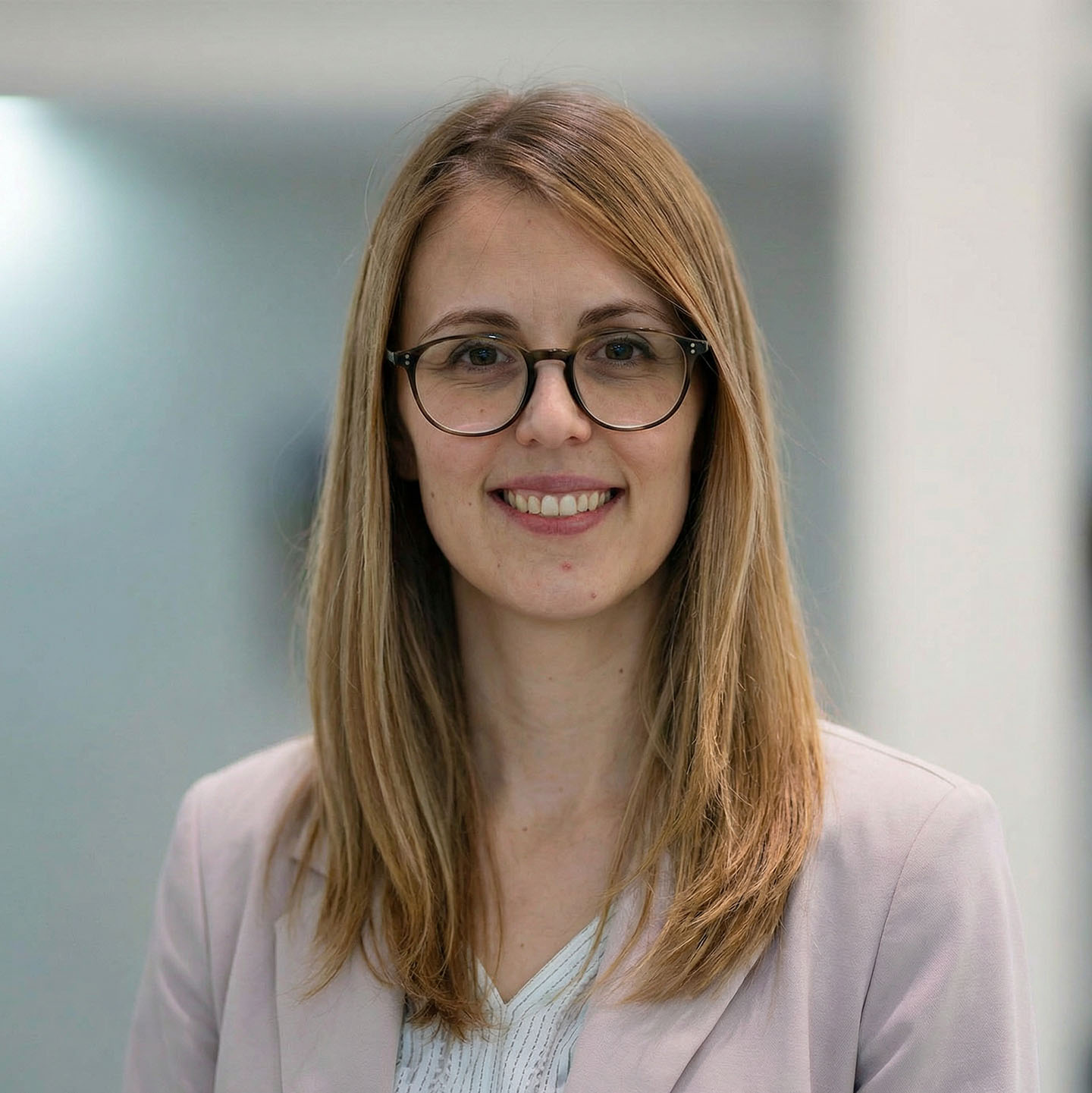
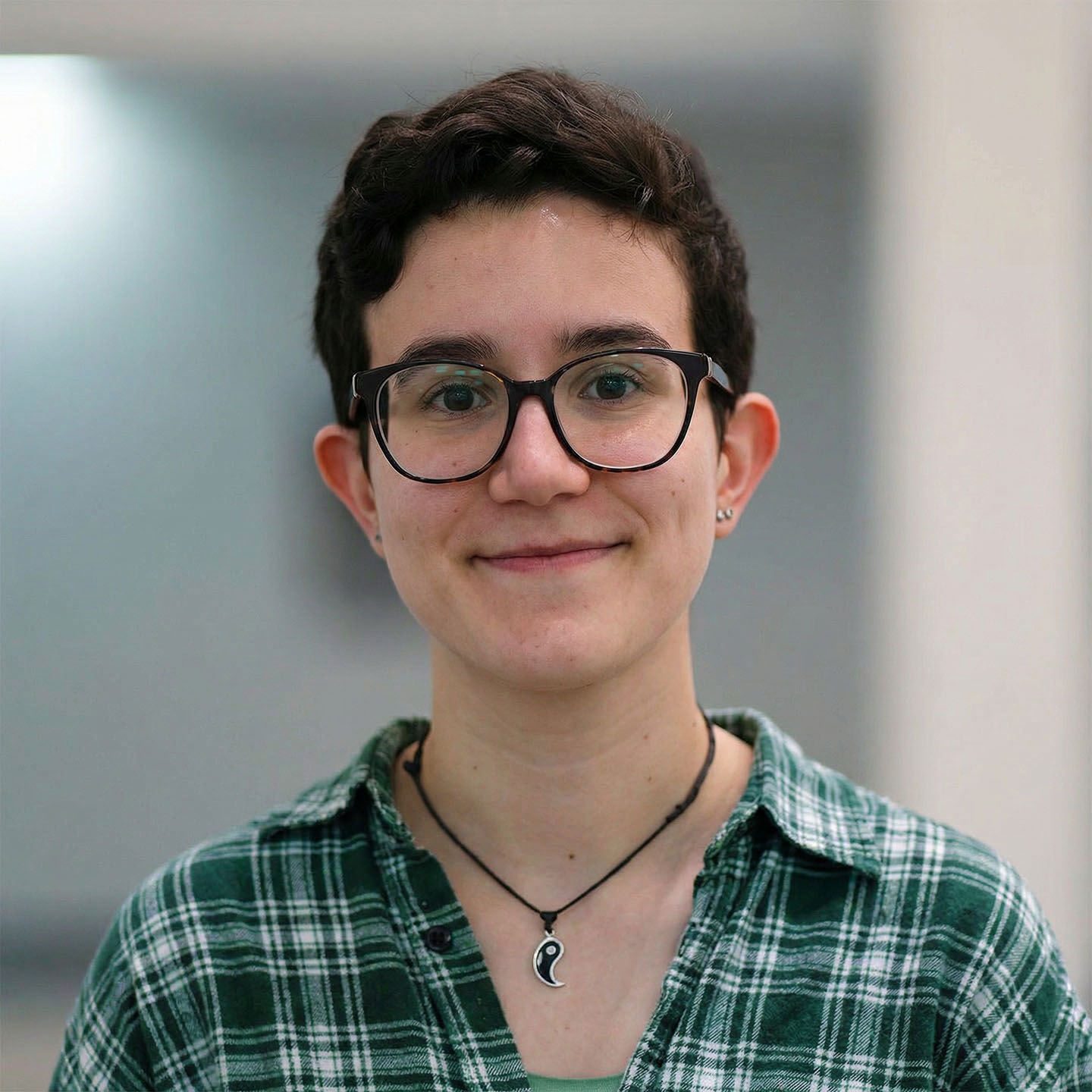
TRR 418 is guided by a dedicated leadership team that ensures smooth coordination across all projects and sites. The Spokesperson, two Deputy Spokespersons, and additional members of the Steering Committee work together to set the scientific direction, foster collaboration, and support the development of early-career researchers. They organize regular meetings, retreats, workshops, and seminar series, creating opportunities for exchange between researchers, clinicians, and students. This structure allows TRR 418 to combine scientific excellence with effective collaboration, bringing together expertise from multiple disciplines to advance circadian medicine.

The German Research Foundation (Deutsche Forschungsgemeinschaft, DFG) is Germany’s central research funding organisation, supporting excellence, innovation, and interdisciplinary collaboration across all scientific fields. It fosters the training and career development of early-career researchers and enables ambitious, long-term research projects.
One of its flagship instruments is the Collaborative Research Centres (CRC/Transregio) programme, which funds coordinated research networks across institutions to address complex scientific challenges, such as the Foundations of Circadian Medicine.
Any questions?
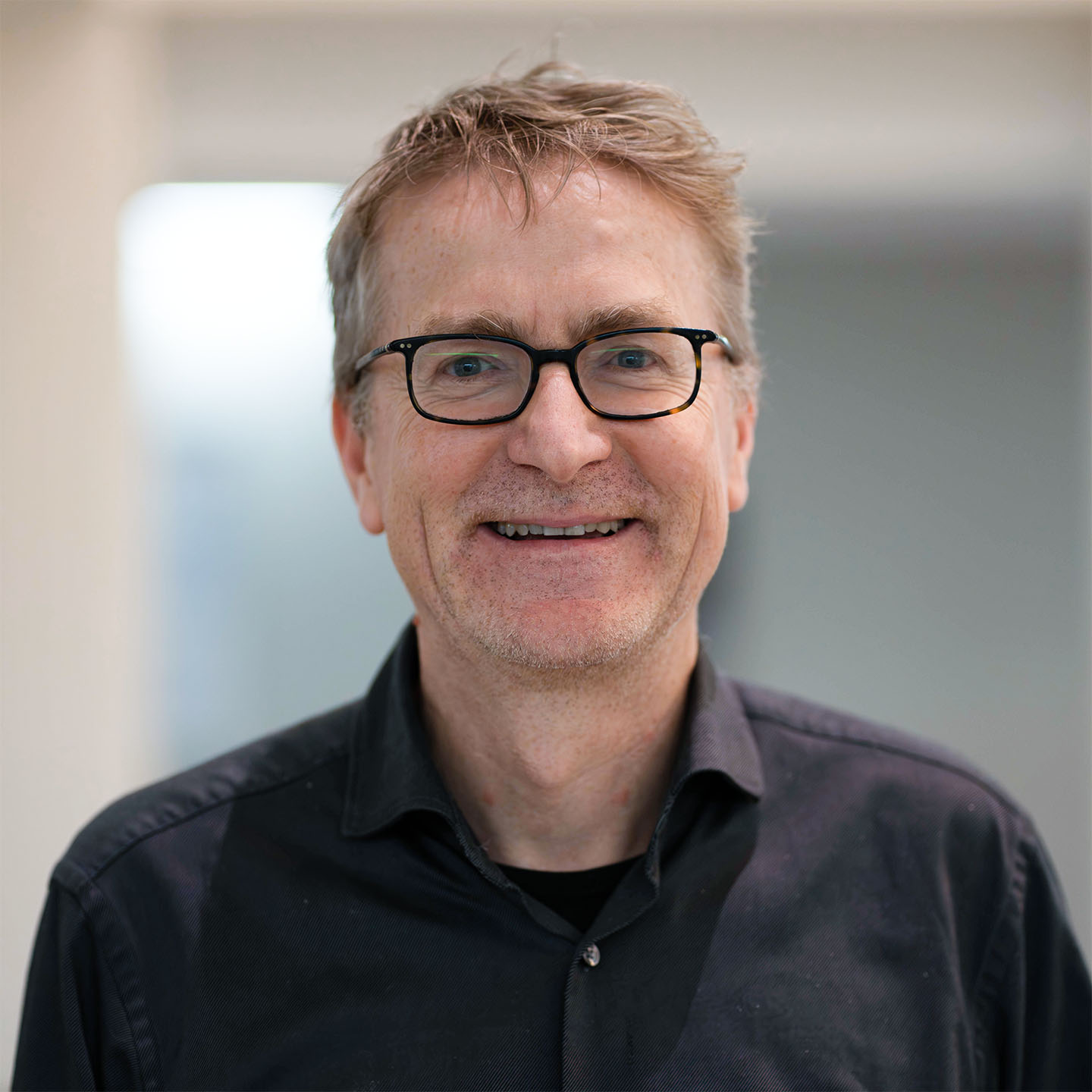
Achim Kramer
Spokesperson
Institution
Phone
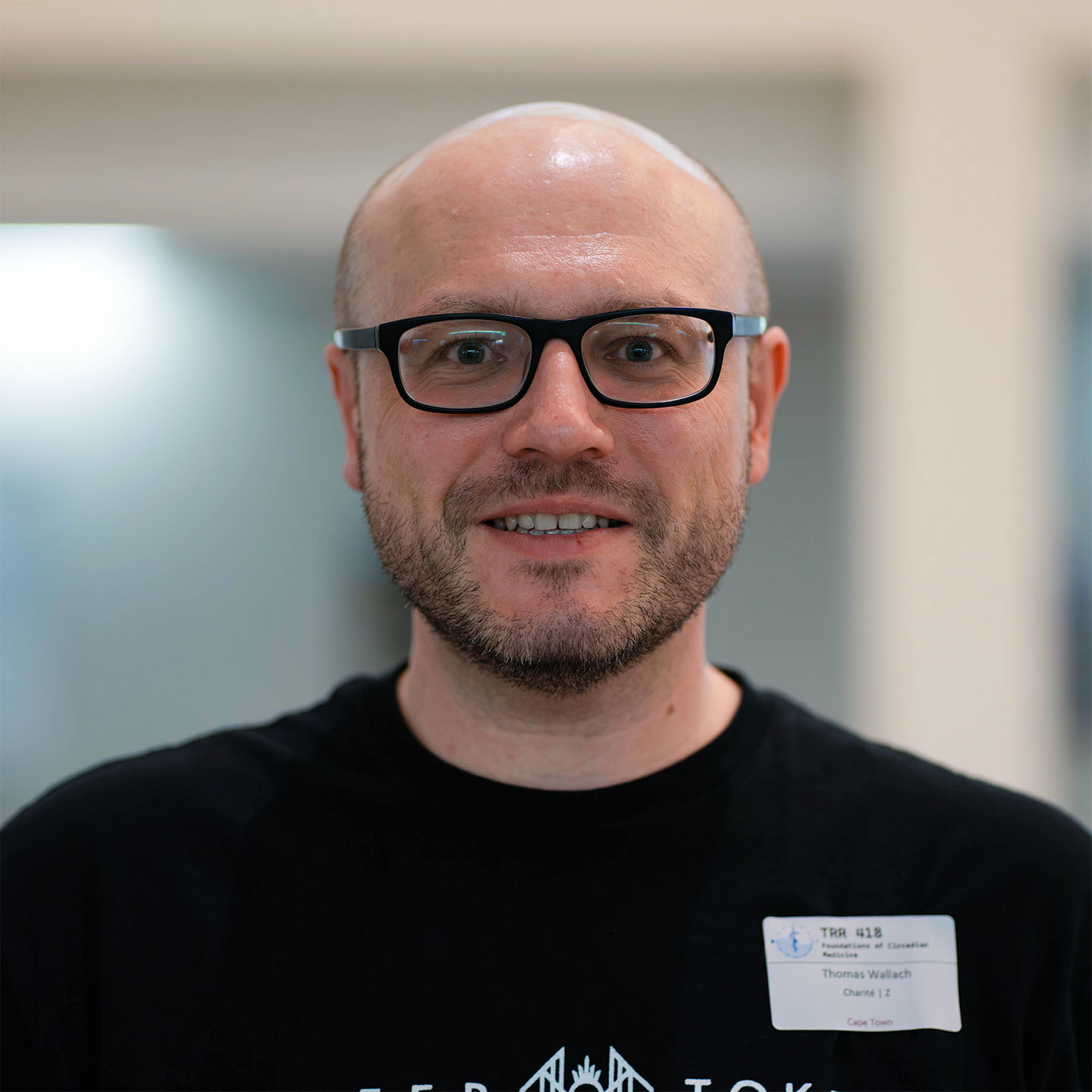
Thomas Wallach
Administration
Institution
Phone
Downloads
Lorem ipsum dolor sit amet, consectetur adipiscing elit. Suspendisse varius enim in eros elementum tristique. Duis cursus, mi quis viverra ornare, eros dolor interdum nulla, ut commodo diam libero vitae erat. Aenean faucibus nibh et justo cursus id rutrum lorem imperdiet. Nunc ut sem vitae risus tristique.


