C02
Circadian immune dysfunction in prodromal stages of Alzheimer‘s disease
AD is preceded by disrupted circadian rhythms and immune dysfunction. Innate immune cells possess functional clocks, but how circadian disruption in these cells contributes to AD progression is unclear.
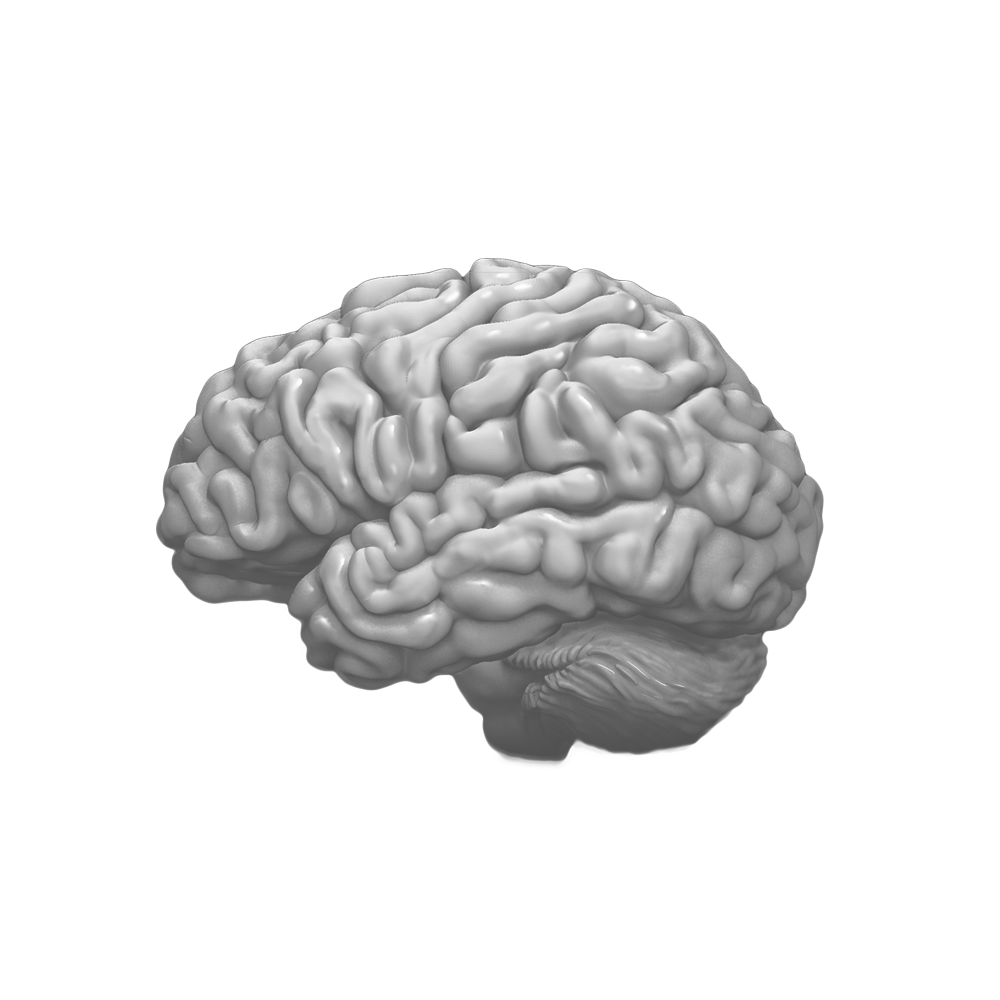
Whether circadian disruption in innate immune cells contributes to neurodegeneration in AD is unknown.
Circadian regulation in microglia and monocytes modulates inflammatory and neurodegenerative processes; restoring rhythmicity may protect against disease progression.
We will measure circadian disturbances in immune cells, test interventions to strengthen rhythms in humans, and manipulate clocks in AD mouse models to determine effects on immune function, sleep, and cognition.
The team for
C02





The publications of
C02
Dysfunction of circadian and sleep rhythms in the early stages of Alzheimer's disease
March 31, 2023
•
Acta Physiologica
Dysfunction of circadian and sleep rhythms is an early feature of many neurodegenerative diseases. Alzheimer's disease (AD) is a progressive neurodegenerative disorder resulting in cognitive and psychiatric disturbances. Although it is largely unclear whether dysfunctions in sleep and circadian rhythms contribute to the etiology of AD or are a consequence of the disease, there is evidence that these conditions are involved in a complex self-reinforcing bidirectional relationship. According to the recent studies, dysregulation of the circadian clock already occurs during the asymptomatic stage of the disease and could promote neurodegeneration. Thus, restoration of sleep and circadian rhythms in preclinical AD may represent an opportunity for early intervention to slow the disease course.
Keywords: Alzheimer's disease; circadian system; clock; neurodegeneration; sleep.


