C02
Circadiane Immunstörungen im Prodromalstadium der Alzheimer-Krankheit
Bei Alzheimer-Erkrankung (AD) gehen häufig gestörte circadiane Rhythmen und eine Dysfunktion des Immunsystems voraus. Angeborene Immunzellen besitzen funktionale Uhren, doch wie eine circadiane Störung dieser Zellen zur AD-Progression beiträgt, ist unklar.
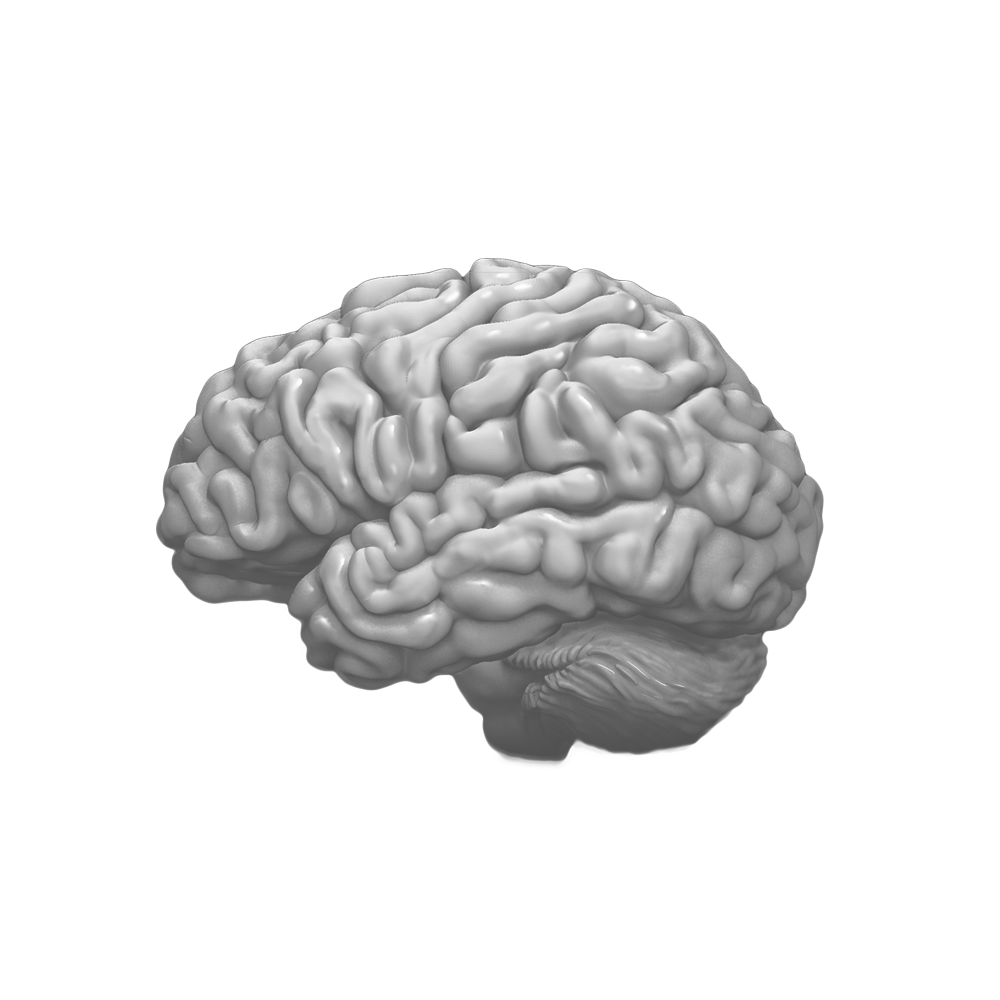
Ob circadiane Störungen in angeborenen Immunzellen neurodegenerative Prozesse bei AD fördern, ist bisher unbekannt.
Circadiane Regulation in Mikroglia und Monozyten moduliert entzündliche und neurodegenerative Prozesse; die Wiederherstellung von Rhythmen könnte die Krankheitsprogression bremsen.
Wir werden circadiane Störungen in Immunzellen messen, Interventionen zur Rhythmusstärkung bei Menschen testen und die Uhren in AD-Mausmodellen manipulieren, um Auswirkungen auf Immunfunktion, Schlaf und Kognition zu untersuchen.
Das Team für
C02





Die Publikationen von
C02
Dysfunction of circadian and sleep rhythms in the early stages of Alzheimer's disease
March 31, 2023
•
Acta Physiologica
Dysfunction of circadian and sleep rhythms is an early feature of many neurodegenerative diseases. Alzheimer's disease (AD) is a progressive neurodegenerative disorder resulting in cognitive and psychiatric disturbances. Although it is largely unclear whether dysfunctions in sleep and circadian rhythms contribute to the etiology of AD or are a consequence of the disease, there is evidence that these conditions are involved in a complex self-reinforcing bidirectional relationship. According to the recent studies, dysregulation of the circadian clock already occurs during the asymptomatic stage of the disease and could promote neurodegeneration. Thus, restoration of sleep and circadian rhythms in preclinical AD may represent an opportunity for early intervention to slow the disease course.
Keywords: Alzheimer's disease; circadian system; clock; neurodegeneration; sleep.


