B04
Chronotherapy of metabolic dysfunction-associated steatotic liver disease (MASLD)
MASLD is prevalent and a major risk factor for cirrhosis and liver cancer. Exercise is effective but limited by compliance. This project investigates how exercise timing interacts with hepatocyte circadian clocks to affect metabolism and MASLD progression.
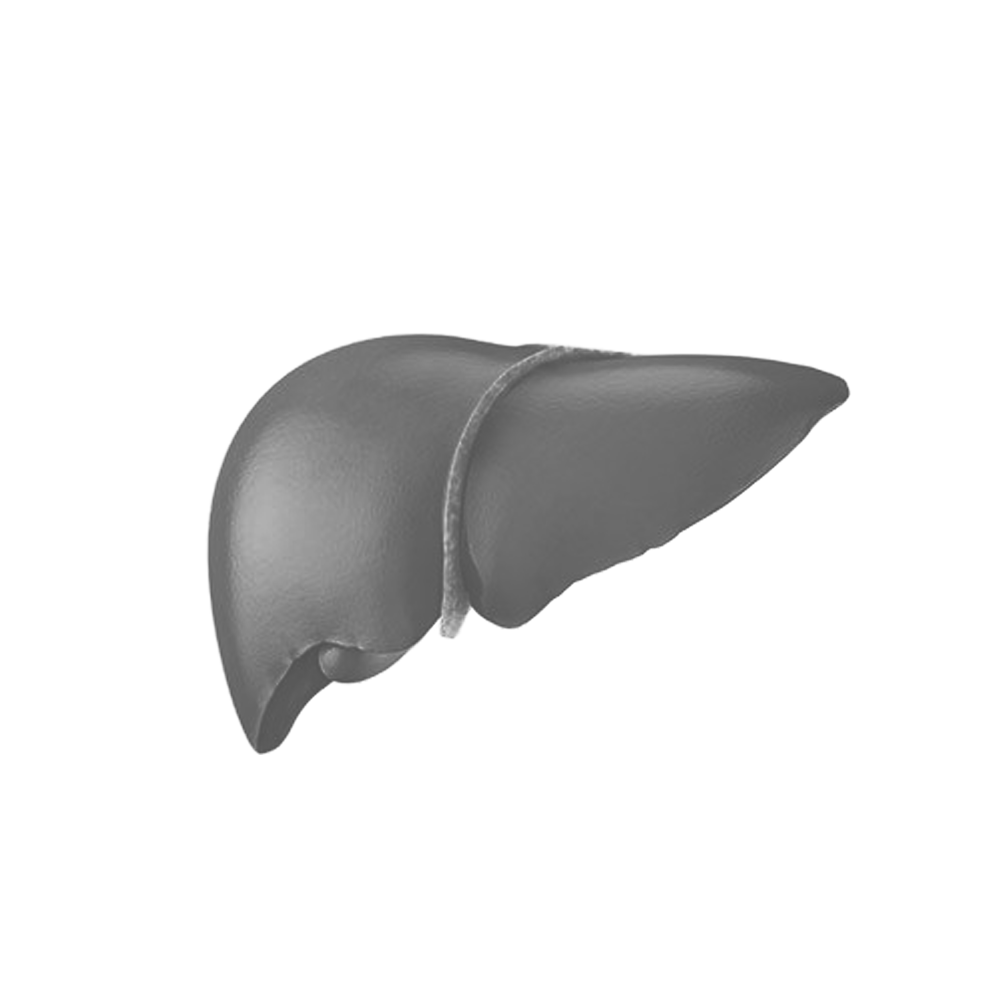
Mechanisms by which circadian clocks modulate MASLD and how timed exercise can optimize therapy remain poorly understood.
Hepatocyte clocks gate metabolic pathways, and synchronizing exercise with circadian timing may enhance therapeutic efficacy.
We will examine timed exercise effects on liver metabolism and MASLD in mice and humans, identify clock-mediated pathways, and determine exercise-induced biomarkers that improve circadian and metabolic outcomes.
The team for
B04




The publications of
B04
Hepatocyte Circadian Clocks Control Cholesterol Metabolism and Protect From Metabolic Dysfunction–Associated Steatohepatitis
May 12, 2026
•
Cellular and Molecular Gastroenterology and Hepatology
The circadian clock synchronizes physiological processes with the 24-hour light–dark cycle. Clock disruption contributes to metabolic disorders, including metabolic dysfunction–associated steatohepatitis. We investigated the role of the hepatocyte clock in metabolic dysfunction–associated steatohepatitis using hepatocyte-specific Bmal1 deletion (Hep-Bmal1KO) mice. Hep-Bmal1KO mice showed faster metabolic dysfunction–associated steatohepatitis progression with increased hepatic cholesterol, inflammation, and fibrosis. Transcriptomic and lipidomic analyses revealed dysregulated cholesterol metabolism in Hep-Bmal1KO mice, marked by reduced expression and disrupted rhythmicity of key cholesterol-related genes. Bioinformatic analyses identified Chrebp as a potential coregulator of these transcriptional changes. In an in vitro model with palmitate exposure and gene silencing, we found that Bmal1, but not Chrebp, regulated cholesterol accumulation, indicating Bmal1’s specific role in hepatic cholesterol metabolism. Translating our findings to a human patient cohort revealed a significantly shifted circadian phase, despite no marked effect on hepatic cholesterol levels in the livers of patients with more advanced liver disease (ie, metabolic dysfunction–associated steatohepatitis) compared with simple steatosis. Taken altogether, our findings offer a roadmap to understand the hepatocyte clock’s role in metabolic dysfunction–associated steatohepatitis and its potential as a therapeutic target.
Retinal ganglion cell degeneration in glaucoma disrupts HPA axis temporal organization and dampens corticosterone production
April 24, 2026
•
Journal of Neuroendocrinology
Glaucoma is a chronic optic neuropathy characterized by progressive vision loss. A previous study from our group showed that glaucoma-induced retinal degeneration disrupts photic signaling to the suprachiasmatic nucleus (SCN), altering the molecular components of the central circadian clock. Through its hypothalamic projections, the SCN entrains the hypothalamic–pituitary–adrenal (HPA) axis and drives the rhythmic secretion of corticosterone. In this study, we investigated whether central circadian clock disruption in glaucoma impacts the HPA axis and its downstream physiological rhythms. We analyzed the temporal profiles of key genes controlling the HPA axis in mice with glaucoma. The Crh gene expression was reduced in the paraventricular nucleus, while Crh-r1 exhibited a 10-h phase delay in the pituitary in response to glaucoma. Additionally, Pomc in the pituitary and Mc2r in the adrenal lost rhythmicity. The modulation of the daily rhythms of these key genes was associated with alterations in the diurnal rhythms of clock genes in the PVN, pituitary and adrenal gland. Glaucoma-induced phase shifts and amplitude alterations in the rhythmic expression of Per1, Per2, Nr1d1, and Bmal1 in the pituitary and adrenal gland, resulted in a temporal misalignment between the pituitary and adrenal rhythms. These molecular changes were associated with reduced corticosterone amplitude, suggesting impaired communication between central and peripheral clocks. Together, these findings demonstrate that glaucoma alters the temporal coordination of the HPA axis, highlighting how retinal dysfunction can propagate beyond the visual system to disturb systemic circadian and neuroendocrine regulation.
Adiponectin modulates the diurnal hepatic transcriptome and energy metabolism in male mice
April 14, 2026
•
Endocrine Connections
Adiponectin is an adipocyte-derived hormone with insulin-sensitizing and lipid-lowering effects. Its expression and circulating levels show pronounced variation across the day, which opens the possibility that adiponectin influences metabolic programs in target tissues, such as the liver in a time-of-day dependent manner. To test this, we compared liver circadian transcriptome profiles (with sampling at 4-h intervals) between adiponectin-deficient (ADQ-KO) and wild-type (ADQ-WT) mice. Adiponectin loss led to tonic (i.e. time-independent) transcriptional changes in the liver with 1,393 differentially expressed genes (518 up- and 875 downregulated). These included upregulation of chromatin and RNA processing pathways and downregulation of immune and mitochondrial metabolic genes. At the same time, circadian analysis identified a marked reprogramming of transcriptome rhythms in ADQ-KO livers with changes in MESOR (n = 3,369 transcripts), amplitude (n = 386), and phase of gene expression (n = 603). Genes associated with mitochondrial respiration and fatty acid metabolism showed reduced rhythm amplitude and MESOR, whereas glycolytic genes exhibited increased MESOR. One of the identified adiponectin candidate targets and a regulator of hepatic metabolism, Hif1a, was further studied by functional assays in murine hepatocytes. Pharmacological adiponectin receptor activation promoted glycolysis and mitochondrial respiration under normoxia, but these effects were attenuated under hypoxia mimicry, consistent with HIF1a-dependent interference. These findings suggest adiponectin as a regulator of liver circadian metabolism, modulating both the timing and magnitude of energy-related gene expression programs, potentially in part through a HIF1a-mediated mechanism.
Lack of GPNMB Is Associated With Altered Lipid and Glucose Metabolism and Disrupted Diurnal Hepatic Glycogen Regulation
March 9, 2026
•
The FASEB Journal
Higher serum levels of GPNMB are linked to type 2 diabetes mellitus (T2DM) and metabolic dysfunction-associated steatotic liver disease (MASLD). Disruption of circadian rhythms also influences the development and progression of MASLD. In this study, we investigated how GPNMB modulates hepatic glycogen metabolism and its potential interaction with the hepatic circadian clock. Male DBA/2 J mice, either wild-type (GP+) or carrying an inactivating Gpnmb mutation (GP−), were fed a high-fat diet (48.4% fat) supplemented with 30% fructose in drinking water for 12 weeks. Despite similar weight gain, GP− mice displayed greater global fat mass accumulation and elevated serum triglyceride and cholesterol levels. Surprisingly, GP− mice showed improved glucose tolerance, whereas GP+ mice developed impaired glycemic control. Indirect calorimetry under thermoneutral conditions (30°C) revealed loss of diurnal rhythmicity in energy expenditure (EE) in GP− mice, which was independent of food intake. Despite its preserved rhythms, hepatic clock gene expression in GP− mice showed increased MESOR (e.g., Per1, Per2, and Nr1d1) and increased amplitude (e.g., Nr1d1), indicating higher expression levels throughout the day. GPNMB deficiency further impaired hepatic glycogen storage dynamics, which was attributed to reduced AKT phosphorylation (indicative of defective insulin signaling), reduced FOXO1 phosphorylation, and increased PEPCK-M. Translating our findings to human MASLD patients, GPNMB expression obtained from liver biopsies showed a clear increase across MASLD progression. Importantly, patients with metabolic dysfunction-associated steatohepatitis (MASH) and diabetes who received anti-diabetic treatment showed a reduction in hepatic GPNMB expression. Collectively, our findings suggest that GPNMB plays a role in metabolic adaptation to obesogenic diets, as a Gpnmb loss-of-function model reveals an association with impaired hepatic insulin signaling and glycogen metabolism despite improved systemic glucose tolerance in mice, whereas hepatic GPNMB upregulation correlates with MASLD progression in humans.
Nonalcoholic Steatohepatitis Disrupts Diurnal Liver Transcriptome Rhythms in Mice
December 31, 2023
•
CMGH
Background & aims: The liver ensures organismal homeostasis through modulation of physiological functions over the course of the day. How liver diseases such as nonalcoholic steatohepatitis (NASH) affect daily transcriptome rhythms in the liver remains elusive.
Methods: To start closing this gap, we evaluated the impact of NASH on the diurnal regulation of the liver transcriptome in mice. In addition, we investigated how stringent consideration of circadian rhythmicity affects the outcomes of NASH transcriptome analyses.
Results: Comparative rhythm analysis of the liver transcriptome from diet-induced NASH and control mice showed an almost 3-hour phase advance in global gene expression rhythms. Rhythmically expressed genes associated with DNA repair and cell-cycle regulation showed increased overall expression and circadian amplitude. In contrast, lipid and glucose metabolism-associated genes showed loss of circadian amplitude, reduced overall expression, and phase advances in NASH livers. Comparison of NASH-induced liver transcriptome responses between published studies showed little overlap (12%) in differentially expressed genes (DEGs). However, by controlling for sampling time and using circadian analytical tools, a 7-fold increase in DEG detection was achieved compared with methods without time control.
Conclusions: NASH had a strong effect on circadian liver transcriptome rhythms with phase- and amplitude-specific effects for key metabolic and cell repair pathways, respectively. Accounting for circadian rhythms in NASH transcriptome studies markedly improves DEG detection and enhances reproducibility.
Keywords: Circadian Bioinformatics; Circadian Clock; Circadian RNAseq; Energy Metabolism; Nonalcoholic Fatty Liver Disease (NAFLD).
The role of the circadian clock in the development, progression, and treatment of non-alcoholic fatty liver disease
January 4, 2023
•
Acta Physiologica
The circadian clock comprises a cellular endogenous timing system coordinating the alignment of physiological processes with geophysical time. Disruption of circadian rhythms has been associated with several metabolic diseases. In this review, we focus on liver as a major metabolic tissue and one of the most well-studied organs with regard to circadian regulation. We summarize current knowledge about the role of local and systemic clocks and rhythms in regulating biological functions of the liver. We discuss how the disruption of circadian rhythms influences the development of non-alcoholic fatty liver disease (NAFLD) and non-alcoholic steatohepatitis (NASH). We also critically evaluate whether NAFLD/NASH may in turn result in chronodisruption. The last chapter focuses on potential roles of the clock system in prevention and treatment of NAFLD/NASH and the interaction of current NASH drug candidates with liver circadian rhythms and clocks. It becomes increasingly clear that paying attention to circadian timing may open new avenues for the optimization of NAFLD/NASH therapies and provide interesting targets for prevention and treatment of these increasingly prevalent disorders.
Keywords: NAFLD; NASH; chronotherapy; circadian rhythms; clock genes; liver; metabolic-associated fatty liver disease (MAFLD).


