Guest lecture by Prof.Christiaan Vinkers
November 18, 2026
•
4:00 pm
-
November 18, 2026
•
5:00 pm
Lübeck: CBBM Building, Ground Floor, Room Levi-Montalcini · Online · Live participation in Berlin: CharitéCrossOver, Unterrichtsraum 344 (1st floor)
Guest lecture by Prof.Christiaan Vinkers
November 18, 2026
•
4:00 pm
Lübeck: CBBM Building, Ground Floor, Room Levi-Montalcini · Online · Live participation in Berlin: CharitéCrossOver, Unterrichtsraum 344 (1st floor)
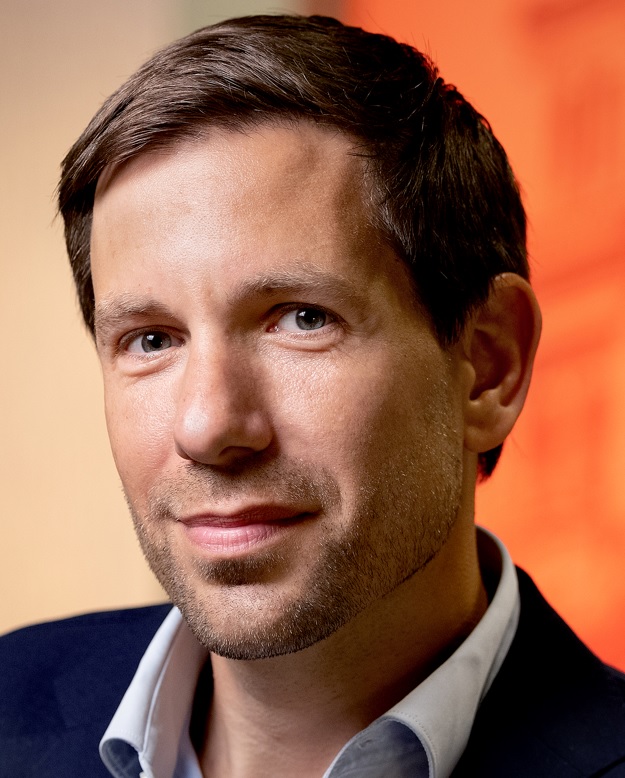
Description
Beyond cortisol levels: glucocorticoid dynamics in stress, resilience, and major depressive disorder
Abstract
In clinical psychiatry, cortisol is often studied using limited measurements or summary indices, yet glucocorticoid signaling is intrinsically dynamic, with pronounced circadian and ultradian variation. These temporal dynamics may be relevant to how individuals respond and adapt to stress, and how vulnerability to stress-related psychiatric disorders develops.
In this lecture, I will discuss the history of the HPA-axis in clinical psychiatry, previous and current work on cortisol in daily life and its potential for understanding resilience and major depressive disorder (MDD). The ERC-funded RHYTHM programme investigates how individual differences in cortisol rhythmicity relate to resilience, stress responsivity, and MDD, combining high-frequency ambulatory cortisol sampling with ecological momentary assessment, wearable sensors, and experimental stress paradigms. In parallel, the RECOGNIZE study examines cortisol dynamics and GR responsivity in individuals with MDD, PTSD and healthy controls, including pharmacological perturbations.
I will discuss methodological and conceptual challenges in moving from static cortisol measurements towards dynamic phenotyping, and whether more precise characterisation of glucocorticoid dynamics could contribute to biologically informed stratification and intervention in stress-related psychiatric disorders.
Short bio
Christiaan Vinkers is Professor of Stress and Resilience in Psychiatry and psychiatrist at Amsterdam UMC, Amsterdam, the Netherlands. His research focuses on the biological and clinical mechanisms underlying individual differences in stress resilience and vulnerability to psychiatric disorders, with a particular interest in glucocorticoid signalling and cortisol dynamics. He leads the ERC-funded RHYTHM programme on cortisol rhythmicity in stress and depression and the RECOGNIZE programme on dynamic cortisol signaling and glucocorticoid receptor responsivity. His work combines experimental medicine, ambulatory monitoring, neuroendocrinology, ecological momentary assessment, and clinical studies.


