A03
Molecular mechanisms of circadian clocks as therapeutic targets in mechanically ventilated intensive care unit patients
Critical illness and mechanical ventilation disturb circadian rhythms, contributing to inflammation and poor outcomes. This project examines how central and peripheral clocks and nuclear receptor signaling influence immune regulation and lung injury.
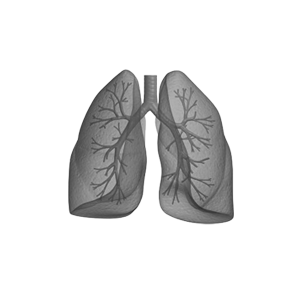
The molecular mechanisms linking circadian disruption to immune-mediated lung injury in ICU patients are poorly defined.
Altered circadian control of nuclear receptor signaling amplifies inflammatory pathways during acute lung injury.
We will identify clock-dependent immune and transcriptional mechanisms in lung injury by integrating mouse models with ICU patient data.
The team for
A03






The publications of
A03
Hepatic metabolic reprogramming in male mice during short-term caloric restriction involves enhanced glucocorticoid rhythms
December 11, 2025
•
Nature
Caloric restriction prolongs lifespan and preserves health across species, with feeding times synchronized to day–night cycles further maximizing benefits. However, the mechanisms linking diet, diurnal rhythms, and lifespan remain unclear. In mice, the time point most strongly tied to dietary effects on lifespan coincides with the peak of glucocorticoid secretion (ZT12, lights-off). Caloric restriction raises circulating glucocorticoid hormone levels, implicating these signals as candidate mediators for its benefits. Here we show that in the liver, the glucocorticoid receptor (GR) is required for the metabolic response to caloric restriction. Hepatocyte-specific GR mutant males fail to mount this response, indicating that increased glucocorticoid amplitude is necessary for the adaptation. Using multiomics, we find that nutrient deprivation elicits a nuclear switch from active STAT signaling to increased FOXO1 activity, enabling GR to activate diet-specific gene expression programs. Our results suggest that glucocorticoid rhythms are crucial for caloric restriction-induced metabolic reprogramming.
Ventilator-induced Lung Injury Is Modulated by the Circadian Clock
June 1, 2023
•
AJRCCM
Rationale: Mechanical ventilation (MV) is life-saving but may evoke ventilator-induced lung injury (VILI). Objectives: To explore how the circadian clock modulates severity of murine VILI via the core clock component BMAL1 (basic helix-loop-helix ARNT like 1) in myeloid cells. Methods: Myeloid cell BMAL1-deficient (LysM (lysozyme 2 promoter/enhancer driving cre recombinase expression)Bmal1-/-) or wild-type control (LysMBmal1+/+) mice were subjected to 4 hours MV (34 ml/kg body weight) to induce lung injury. Ventilation was initiated at dawn or dusk or in complete darkness (circadian time [CT] 0 or CT12) to determine diurnal and circadian effects. Lung injury was quantified by lung function, pulmonary permeability, blood gas analysis, neutrophil recruitment, inflammatory markers, and histology. Neutrophil activation and oxidative burst were analyzed ex vivo. Measurements and Main Results: In diurnal experiments, mice ventilated at dawn exhibited higher permeability and neutrophil recruitment compared with dusk. Experiments at CT showed deterioration of pulmonary function, worsening of oxygenation, and increased mortality at CT0 compared with CT12. Wild-type neutrophils isolated at dawn showed higher activation and reactive oxygen species production compared with dusk, whereas these day-night differences were dampened in LysMBmal1-/- neutrophils. In LysMBmal1-/- mice, circadian variations in VILI severity were dampened and VILI-induced mortality at CT0 was reduced compared with LysMBmal1+/+ mice. Conclusions: Inflammatory response and lung barrier dysfunction upon MV exhibit diurnal variations, regulated by the circadian clock. LysMBmal1-/- mice are less susceptible to ventilation-induced pathology and lack circadian variation of severity compared with LysMBmal1+/+ mice. Our data suggest that the internal clock in myeloid cells is an important modulator of VILI.
Circadian rhythm disruption in critically ill patients
March 14, 2023
•
Acta Physiologica
Patients admitted to the intensive care unit (ICU) are in need of continuous organ replacement strategies and specialized care, for example because of neurological dysfunction, cardio-pulmonary instability, liver or kidney failure, trauma, hemorrhagic or septic shock or even preterm birth. The 24-h nursing and care interventions provided to critically ill patients significantly limit resting and/or recovery phases. Consecutively, the patient's endogenous circadian rhythms are misaligned and disrupted, which in turn may interfere with their critical condition. A more thorough understanding of the complex interactions of circadian effectors and tissue-specific molecular clocks could therefore serve as potential means for enhancing personalized treatment in critically ill patients, conceivably restoring their circadian network and thus accelerating their physical and neurocognitive recovery. This review addresses the overarching issue of how circadian rhythms are affected and disturbed in critically ill newborns and adults in the ICU, and whether the conflicting external or environmental cues in the ICU environment further promote disruption and thus severity of illness. We direct special attention to the influence of cell-type specific molecular clocks on with severity of organ dysfunctions such as severity of brain dysfunction, pneumonia- or ventilator-associated lung inflammation, cardiovascular instability, liver and kidney failure, trauma, and septic shock. Finally, we address the potential of circadian rhythm stabilization to enhance and accelerate clinical recovery.


