C03
Nutzung von Daten zur circadianen Störung zur Förderung der psychischen Gesundheit und des Wohlbefindens
Depressionen und Angststörungen stehen in engem Zusammenhang mit circadianen Störungen, doch die zeitliche Dynamik bleibt bislang unzureichend verstanden. Dieses Projekt nutzt Aktigraphie, Smartphones und Apps, um circadiane Muster und Stimmung über die Zeit zu erfassen, was groß angelegte Analysen und Interventionen ermöglicht.

Wie circadiane Störungen die psychische Gesundheit über die Zeit beeinflussen, ist bisher kaum charakterisiert, was präventive Strategien einschränkt.
Kontinuierliches Monitoring von Verhalten und Lichteinfluss kann circadiane Dysfunktionen aufdecken und personalisierte Interventionen ermöglichen.
Wir werden circadiane Störungen mithilfe digitaler Tools quantifizieren, App-basierte Verhaltensempfehlungen testen und deren Einfluss auf Stimmung und Angstsymptome in verschiedenen Populationen evaluieren.
Das Team für
C03

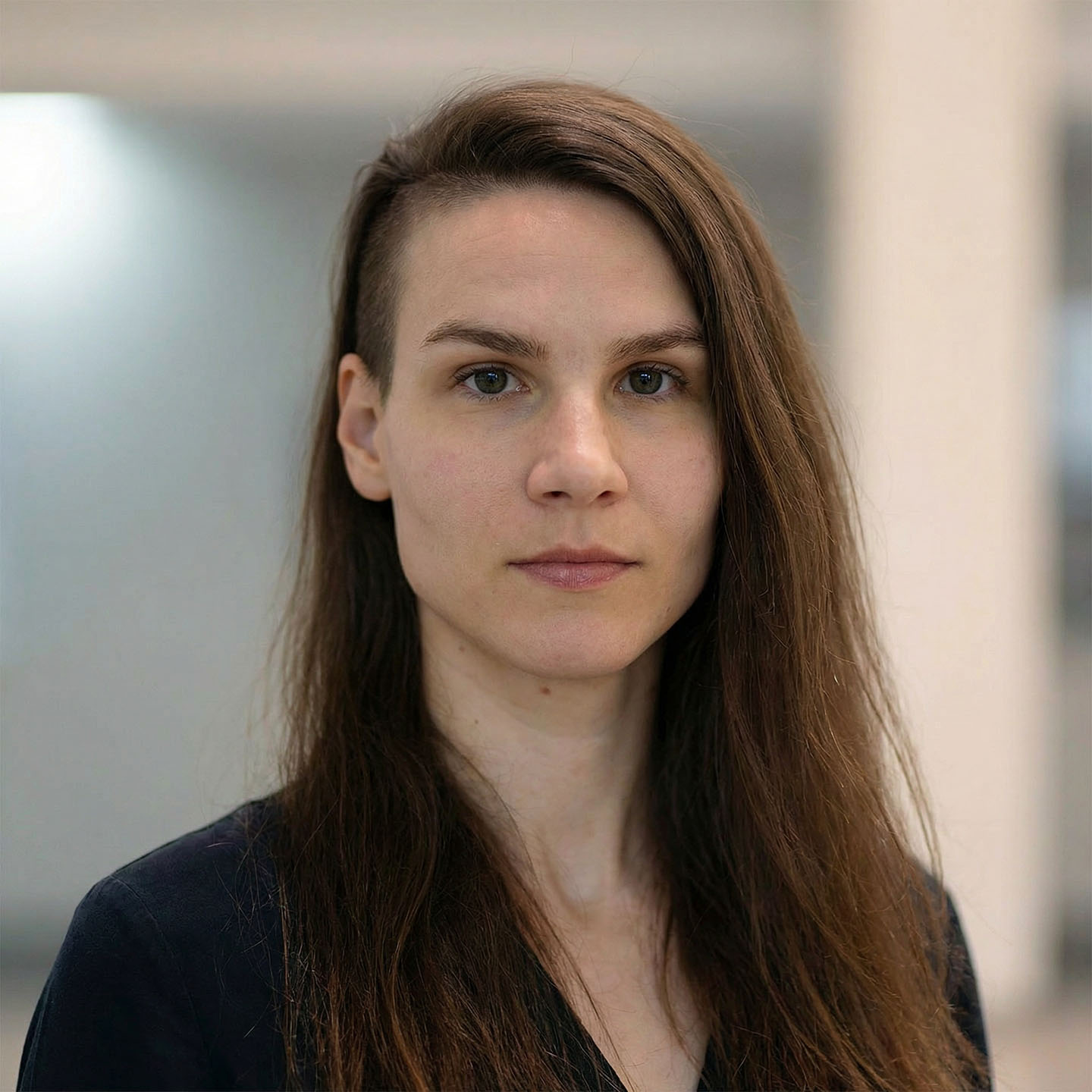



Die Publikationen von
C03
Sleep and circadian rhythms in delayed sleep-wake phase disorder: Phenotypic differences between patients with and without comorbid depression
January 15, 2025
•
Journal of Sleep Research
Delayed sleep-wake phase disorder involves chronic difficulty going to bed and waking up at conventional times and often co-occurs with depression. This study compared sleep and circadian rhythms between patients with delayed sleep-wake phase disorder with depression (DSWPD-D) and without (DSWPD-ND) comorbid depression. Clinical records of 162 patients with delayed sleep-wake phase disorder (70 DSWPD-D, 92 DSWPD-ND) were analysed, including a subset of 76 patients with circadian phase determined by the dim light melatonin onset. Variables assessed included sleep behaviour on work and free days, weekly sleep duration, social jet lag, chronotype, and phase relationships between dim light melatonin onset and sleep/wake times. Mean (SD) or median [Q1-Q3] values were compared using t-tests or Mann-Whitney. Patients with DSWPD-D showed longer sleep on workdays (DSWPD-D = 7.63 hr [1.70] versus DSWPD-ND = 6.20 hr [1.59]; p < 0.001), but not on free days. DSWPD-D also showed later sleep onset (DSWPD-D = 03:30 14;hours [02:49 hours-04:23 hours], DSWPD-ND = 02:53 hours [02:00 hours-03:41 hours]; p = 0.02) and wake times (DSWPD-D = 11:30 hours [09:30 hours-13:00 hours], DSWPD-ND = 08:45 hours [07:20 hours-11:00 hours]; p < 0.01) on workdays. Furthermore, DSWPD-D showed less social jet lag (DSWPD-D = 0.38 [0.00-1.75] versus DSWPD-ND = 2.17 [1.25-3.03]; p < 0.01), and reported higher anxiety symptoms (DSWPD-D = 71.4% versus DSWPD-ND = 45.8%; p = 0.03) and medication use (DSWPD-D = 75.0% versus DSWPD-ND = 43.8%; p = 0.01). DSWPD-D also showed wider dim light melatonin onset phase relationships with dim light melatonin onset-mid-sleep (DSWPD-D = -5.77 [1.32] versus DSWPD-ND = -4.86 [1.53]; p = 0.01) and dim light melatonin onset-waketime (DSWPD-D = -9.46 [1.82]; DSWPD-ND = -8.13 [2.08]; p = 0.01). Multivariable Poisson regression, adjusted for age and sex, showed more medication use, less social jet lag, and longer weekly sleep duration as significantly associated with DSWPD-D. These findings suggest potential biopsychosocial protective factors linked to depression in delayed sleep-wake phase disorder. Further research is required to confirm these phenotypic differences and their relevance to delayed sleep-wake phase disorder aetiology and treatment.
Keywords: depression; dim light melatonin onset; sleep duration; social jet lag; workdays.


